

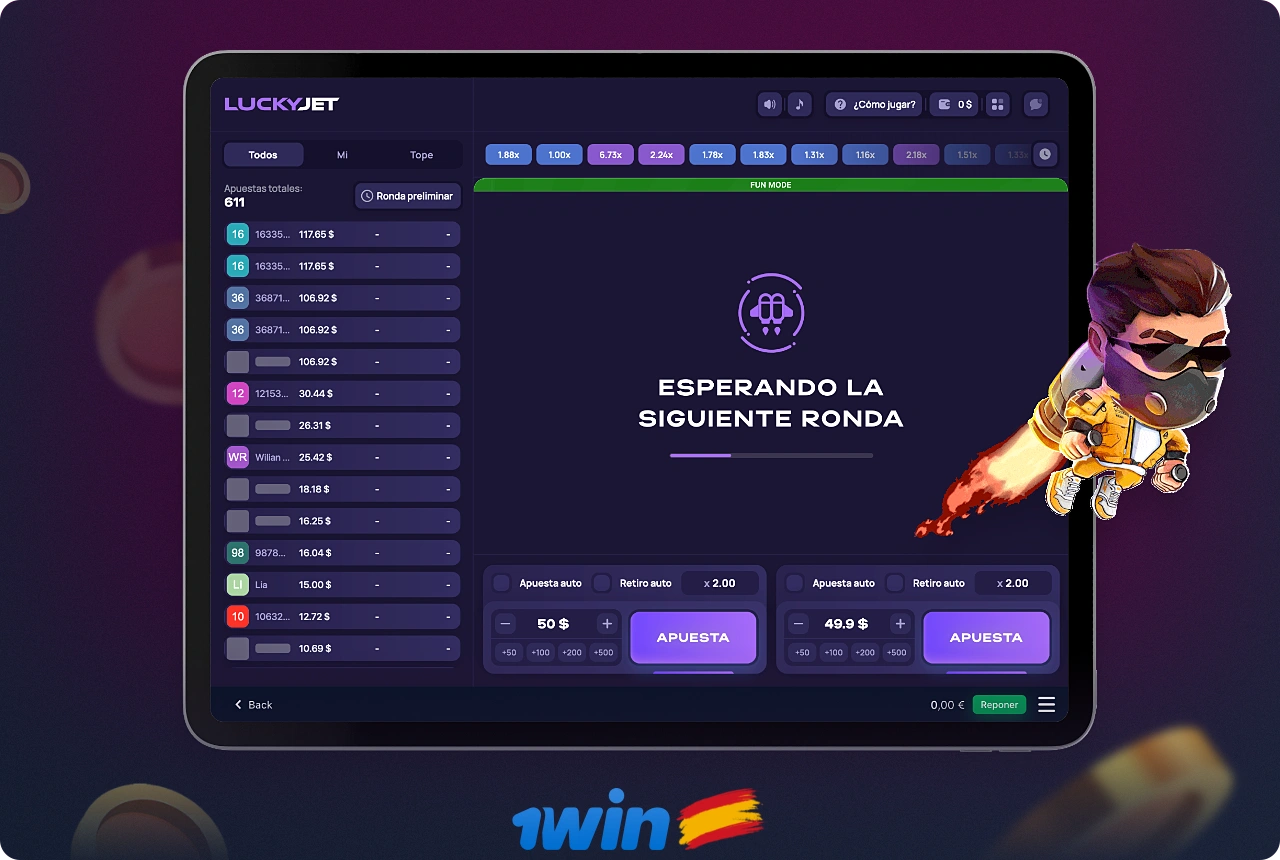
Lucky Jet hooks players with its distinctive cocktail of suspense and rapid choices, but the real peak of adrenaline is a phenomenon players call the “last second trigger https://flytakeair.com/lucky-jet/.” This is that risky, split-second choice to grab your winnings just before the jet might disappear. It converts every round into a thrilling test of timing and nerve. Mastering this isn’t just about relying on luck. It requires grasping how the game operates, spotting small clues in its behavior, and maintaining a cool head. For anyone seeking to move past simple bets, the art of that final-instant withdrawal is where the game delivers its deepest thrill and excitement.
Understanding the Lucky Jet Playing Mechanics
You should learn the basics of Lucky Jet to understand the last-second trigger. A digital jet takes off at the start of each round. A multiplier climbs the more it stays in the air. Players put their bets before launch, and their role is to decide when to cash out, securing that multiplier. The hitch is simple: the jet can vanish, or “crash,” at any unpredictable instant. Every bet still active when it crashes is lost. This creates a stressful dynamic. Players constantly consider hunger for a larger payout against the risk of receiving nothing. It’s the ideal stage for last-second drama.
The Mindset of the Last-Moment Decision
Pulling off a last-moment cash-out pushes your thinking as much as your strategy. The climbing number sparks a surge of adrenaline and greed, which can blur your judgment. That thought whispers you to stay for “just one more second.” Gamblers who handle this well learn to eliminate feelings out of the game. They create strict exit plans or psychological boundaries before the round even begins. The dread of forgoing a greater win struggles with the anxiety of losing everything, a mental tug-of-war called loss aversion. Beating this requires restraint. Your decisions should be based on watched data and your own risk comfort, not the heat of the moment. That transformation turns reactive betting into something more like strategic betting.
Core Approaches for Your Withdrawal Timing
No approach can ensure a win in a game of chance, but some methods can influence your moment for a last-second move. These methods lead to more thought-out picks instead of pure instinct. A good framework uses statistical trends and strict personal guidelines to control your funds and your emotions. Using these methods adds some order to those high-speed decisions.
- The Multiplier Target Approach: Pick a specific multiplier goal before the round commences, like 2x, 5x, or 10x. Promise to cashing out the second you reach it, and resist the temptation to pursue a larger figure.
- The Percentage Bankroll Strategy: Determine to pull out a certain portion of your bet at multiple multiplier stages. This secures some gain while letting a smaller piece stay for a chance at a bigger reward.
- Trend Watching (Not Prediction): Review the past of recent crash levels to grasp for the game’s risk level. Never presume a sequence predicts what will happen next. Use this insight to guide a broad feeling of caution or aggressiveness.
- The “One-Miss” Rule: If you aim for a specific multiplier and the aircraft explodes before you exit, intentionally decrease your target for the upcoming rounds. This assists you to recover your focus and stabilize your bankroll.
Typical Mistakes to Avoid
A lot of players, particularly new ones, fall into common pitfalls that ruin their chances with last-second triggers. The riskiest is chasing losses. After a loss, a player might bump up their stake or aimed multiplier, seeking to reclaim their funds immediately. This often just creates a bigger problem. Similarly, “tilt” a state of intense emotional distress leads to impulsive actions with no strategy behind them. Another typical blunder is excessive confidence. Some successful last-second wins can create a false belief that you can regularly overcome the unpredictable system, leading to riskier bets. Staying away from these habits is the base for any long-term play.
Utilities and Tools That Can Support Players
Good platforms that host Lucky Jet usually include features to aid disciplined play. The auto-cashout function is the most straightforward tool. It lets you set a desired multiplier in advance, and the system cashes out automatically when it hits. This removes the thrill of a manual last-second trigger, but it’s great for following a plan and cutting out emotional delay. On top of that, detailed game history and round statistics provide data for players who like an analytical style. It’s advisable to get to know these in-game utilities. They’re built to give you more control and a clearer view of your gameplay.
Managing Risk and Reward for Sustained Enjoyment
The heart of playing Lucky Jet, especially its last-second tension, is discovering your own balance between risk and reward. This balance dictates whether you enjoy the game over the long run. Players should designate a session bankroll, money distinct from their essential finances, and adhere to firm loss limits. The goal transforms from “winning big no matter what” to “extending your playtime and getting the most entertainment.” When you regard each last-second decision as part of a bigger session plan where some wins come early and some bets are lost you can enjoy the game’s thrill without the shadow of financial stress. Playing responsibly keeps the excitement fun.
Frequently Asked Questions
How do you define a “last second trigger” in Lucky Jet?
A last second trigger is when you collect your bet at a huge multiplier, just moments before the jet might crash randomly. It’s a bold move that depends on sharp timing and steady nerves. Delaying even a fraction of a second too long leads to you forfeit the whole bet.
Is there really a guaranteed strategy to win using last second cash-outs?
No method guarantees a win in Lucky Jet. The crash point is generated by a random number generator. Strategies for last-second triggers focus on managing your money and your mindset to make informed choices. They do not forecast or control the game’s result. These tactics build discipline but cannot overcome the core randomness.

Tell me how the auto-cashout feature work?
The auto-cashout feature enables you to choose a target multiplier before the round starts. If the jet reaches that number, your bet is collected automatically. You never have to click a thing. This is a essential tool for adhering to a set strategy and removing any hesitation when things are fast-paced.
Am I able to predict the crash point by studying previous rounds?
You may examine past data to identify trends in volatility, but every round is its own independent event with a random outcome. What happened before has no effect on what happens next. History can offer you a general feel for risk, but do not confuse it for a reliable crystal ball.
What’s the biggest mistake participants make with final-second plays?
The major mistake is permitting emotions dictate decisions. This takes the form of greedily chasing ever-higher multipliers after a good win, or frantically attempting to recover losses by upping your bets. This lack of discipline, often termed “going on tilt,” siphons your funds fast and removes the game’s strategic side.
Is Lucky Jet a game of skill or pure luck?
Lucky Jet is mostly a game of chance because of its random crash algorithm. But skill matters in how you handle your money, regulate your emotions, and choose your cash-outs. These skills do not change the game’s odds, but they greatly influence your long-term experience and your ability to deal with risk.
How important is bankroll management for this style of play?
Bankroll management is essential. Last-second trigger strategies naturally involve big swings. Without strict limits on your bet sizes, session budgets, and loss ceilings, the exciting ups and downs can obliterate your funds quickly. Good management ensures the game entertaining and something you can revisit.
Conclusion
Chasing the ultimate last-second trigger embodies the core thrill of Lucky Jet. It combines chance with human judgment and nerve. While the game’s outcome is random, players can develop a more immersive and controlled experience through disciplined strategies, psychological awareness, and solid bankroll management. By learning the mechanics, avoiding common emotional traps, and leveraging the tools available, the focus transitions from seeking unpredictable wins to controlling your own decision process. This transforms each round into a rewarding exercise in weighing risk, ensuring the game’s intensity is both experienced and savored responsibly.